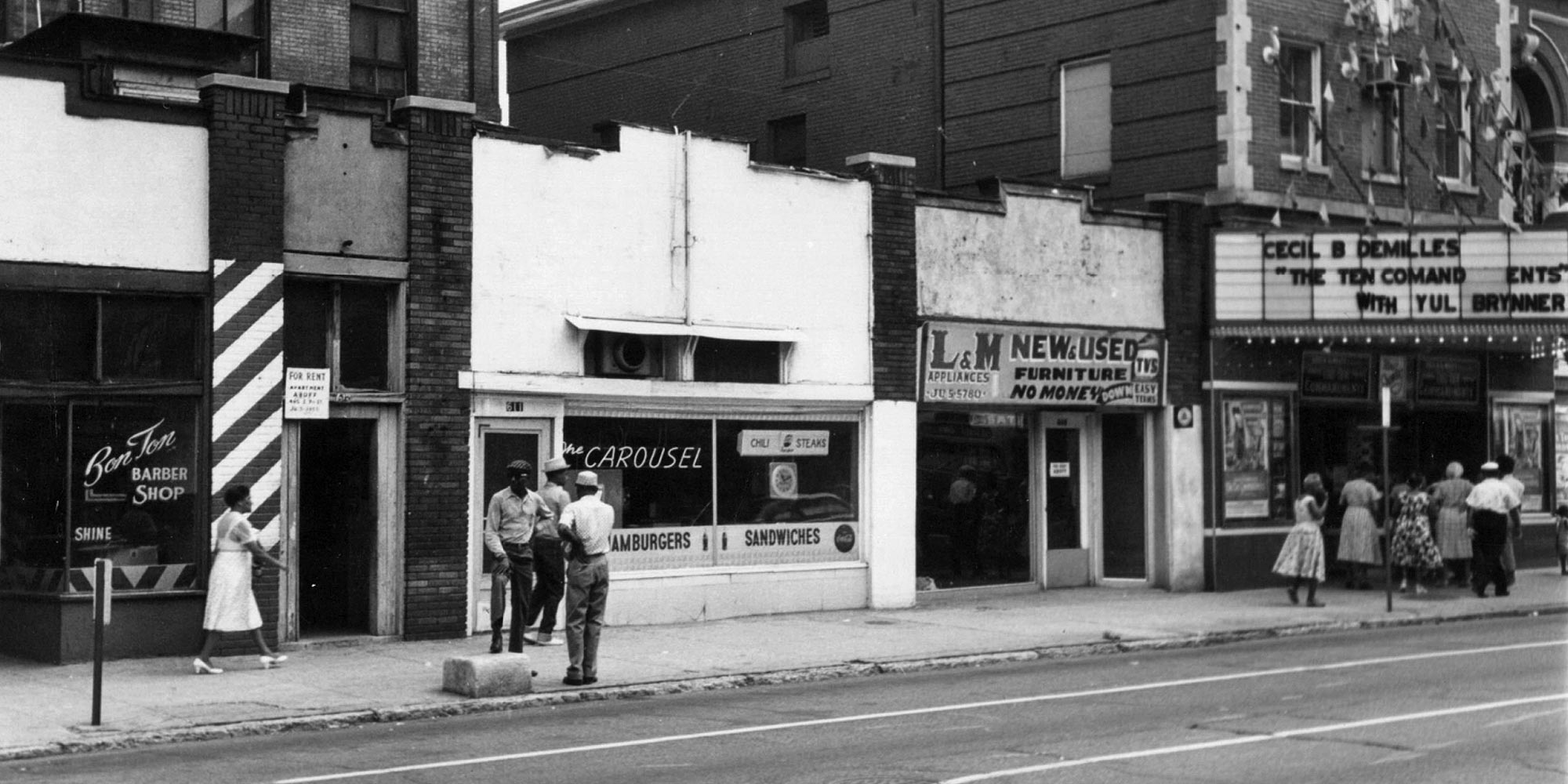
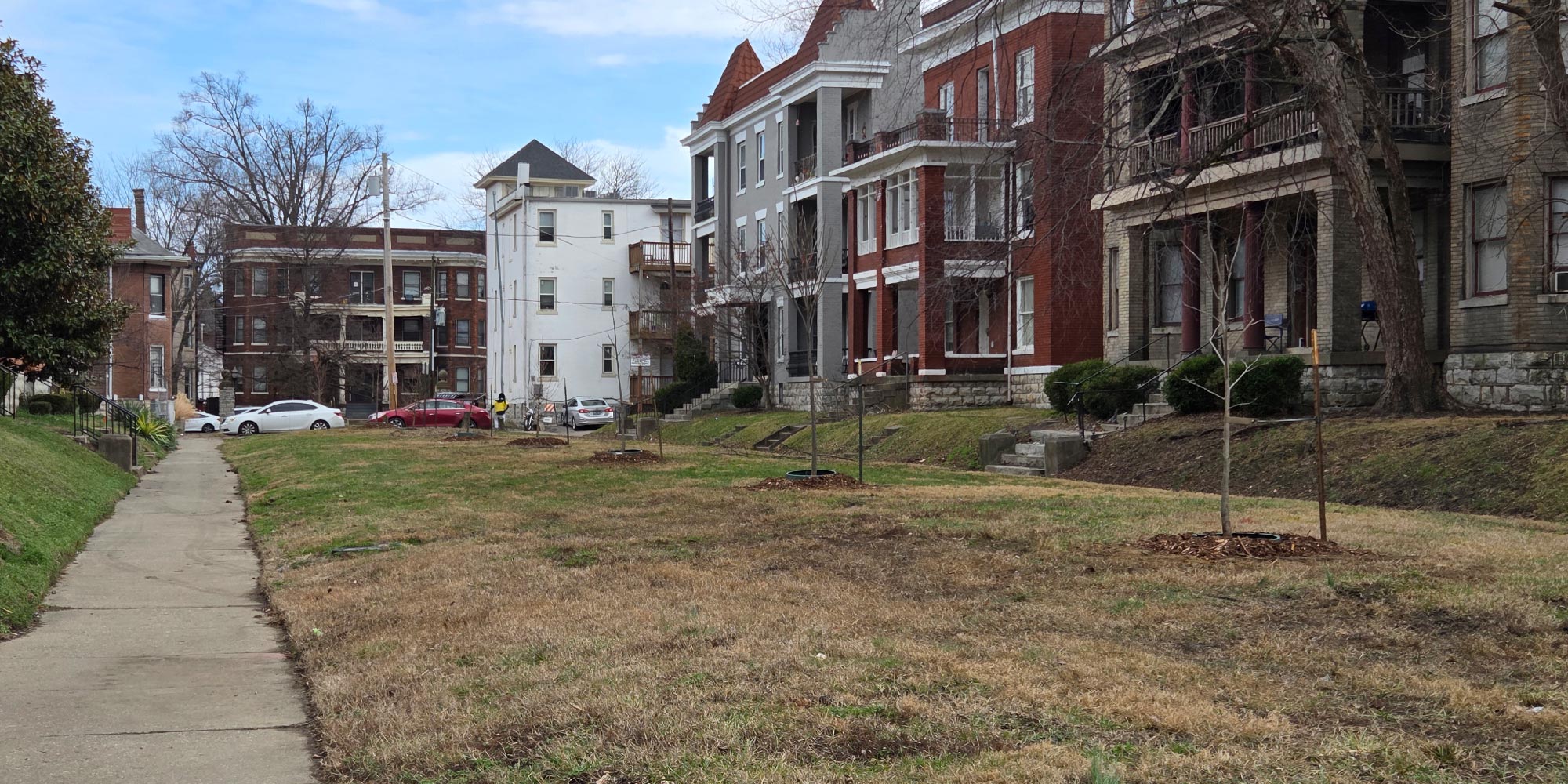
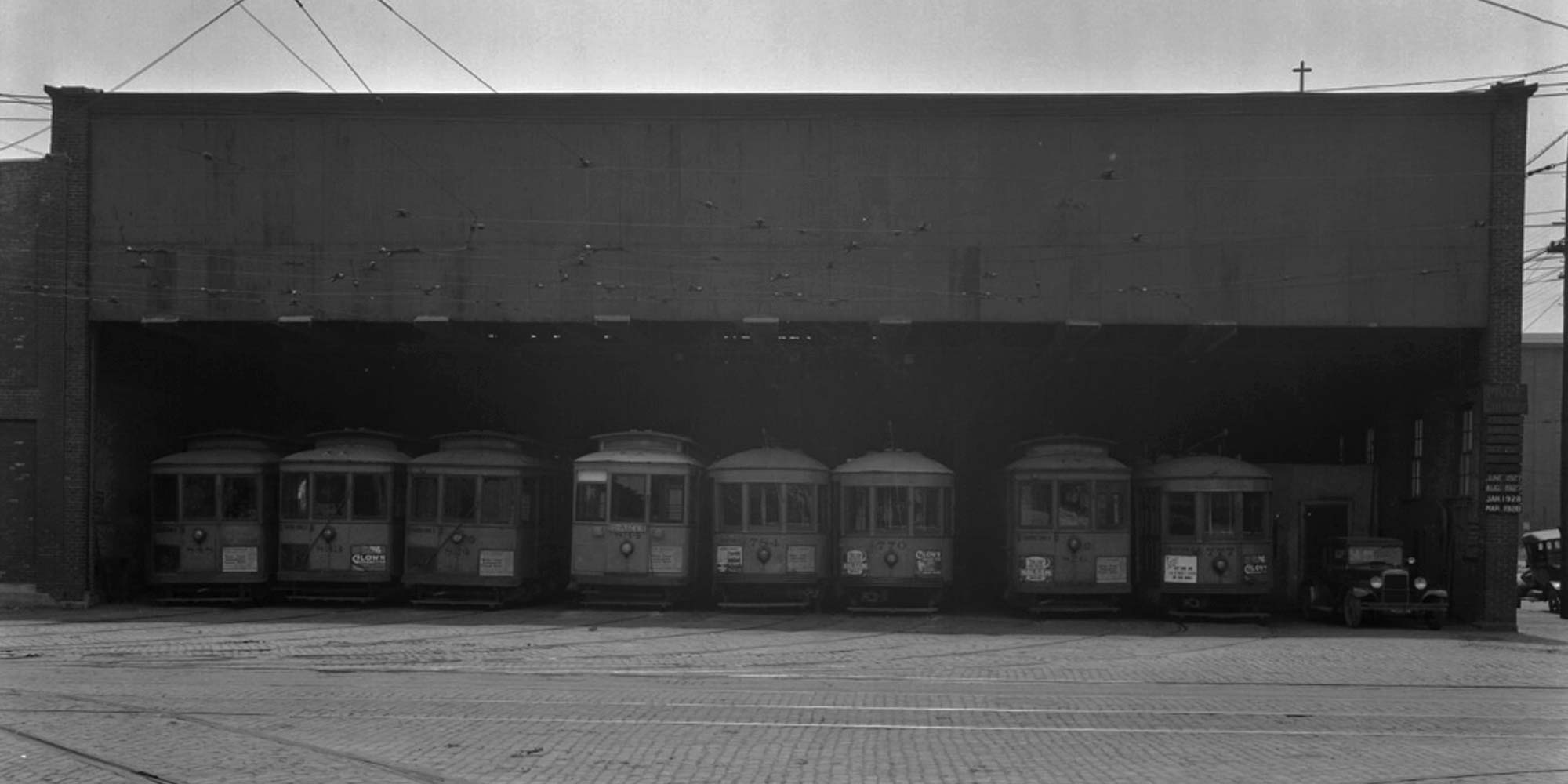
Back in July, state transportation officials from KYTC unveiled proposals for phase 2 of the Bardstown Rd traffic improvements with an eyebrow raising change along Louisville’s most celebrated neighborhood commercial corridor… a roundabout at the intersection with Douglass Blvd. For those unfamiliar with the area, Douglass Loop is a historic streetcar terminus, where the line was extended down Bardstown Road in 1912, creating the conditions for a bustling neighborhood commercial center. Over the years the intersection has hosted a number of businesses from green grocers to butchers to pharmacies to hardware stores, and survived the pandemic as a burgeoning Pilates district (albeit it one with some beloved restaurants and a new-ish coffee shop). Unfortunately, “the Loop” is one of the relatively few places in Louisville with operating storefront businesses and pedestrian street life, especially on Saturdays during the popular Douglass Loop Farmers Market which operates nine months of the year.
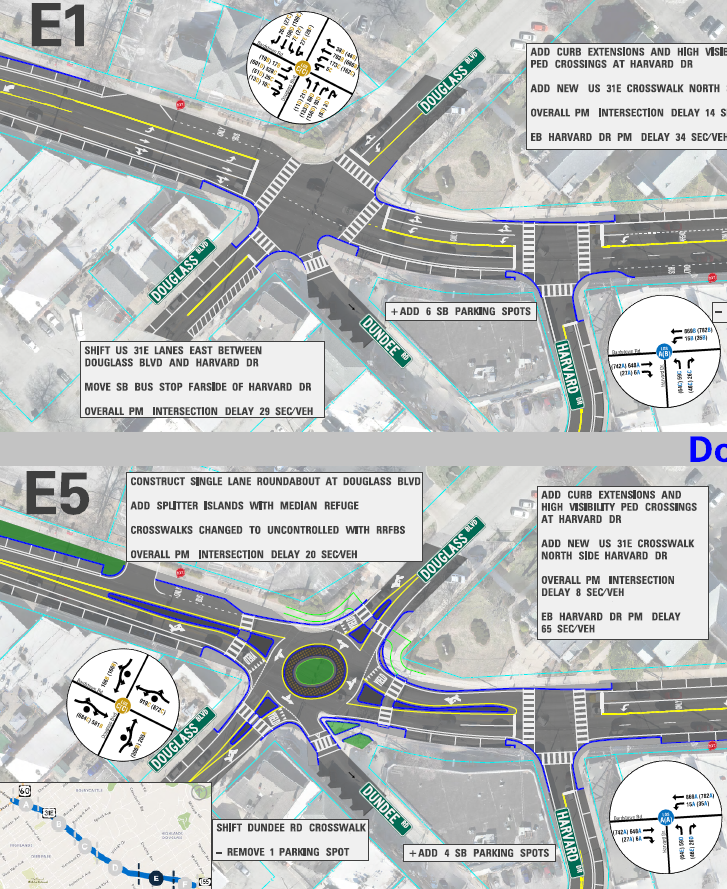
Many nearby residents applaud KYTC’s roundabout proposal, and shared infographics on social media with statistics about the reduced number of serious vehicle collisions that take place in roundabouts. Other residents are concerned with what the roundabout would mean for the pedestrian experience, as people walking will have to step out into a crosswalk and hope that oncoming vehicles yield, vis a vis the longstanding traffic law that Louisville drivers seem to have a hard time following.
And while it seems like there is much support for the roundabout proposal, traffic engineers have raised concerns about the proximity of nearby Harvard Dr and whether a Douglass roundabout could work with an intersecting street so close. As is the case so often, an answer to a problem causes another problem. But perhaps there is a solution that helps take the roundabout proposal beyond a mere traffic engineering exercise. What if we took the opportunity presented by KYTC’s idea, and considered a new placemaking effort for the Loop, one where a portion of Harvard Drive is closed to traffic, and a new pedestrian plaza takes shape.
Some cities have been more aggressive than others in reclaiming car-dominated spaces and transforming them into place for people. Of course there is the famous large-scale example of Times Square in Manhattan, which unbelievably is nearing its 20th anniversary in 2029. Portland has an incredible Public Street Plaza Program blending neighborhood-driven tactical urbanism with permanent city-managed plazas.
Undoubtedly, closing any portion of a street comes with significant traffic impacts and requires careful study to manage diverted vehicle flow. Figuring out how traffic would function if the Bardstown/Harvard were pedestrianized is possible, but would definitely affect how traffic flows in the neighborhood, and it's safe to assume there would be a few different options for making it happen. Would it be a little more difficult to get one’s car into this shopping district? Probably yes. Would the overall place be improved, foster a more welcoming experience, and a more vibrant environment. Most certainly yes.
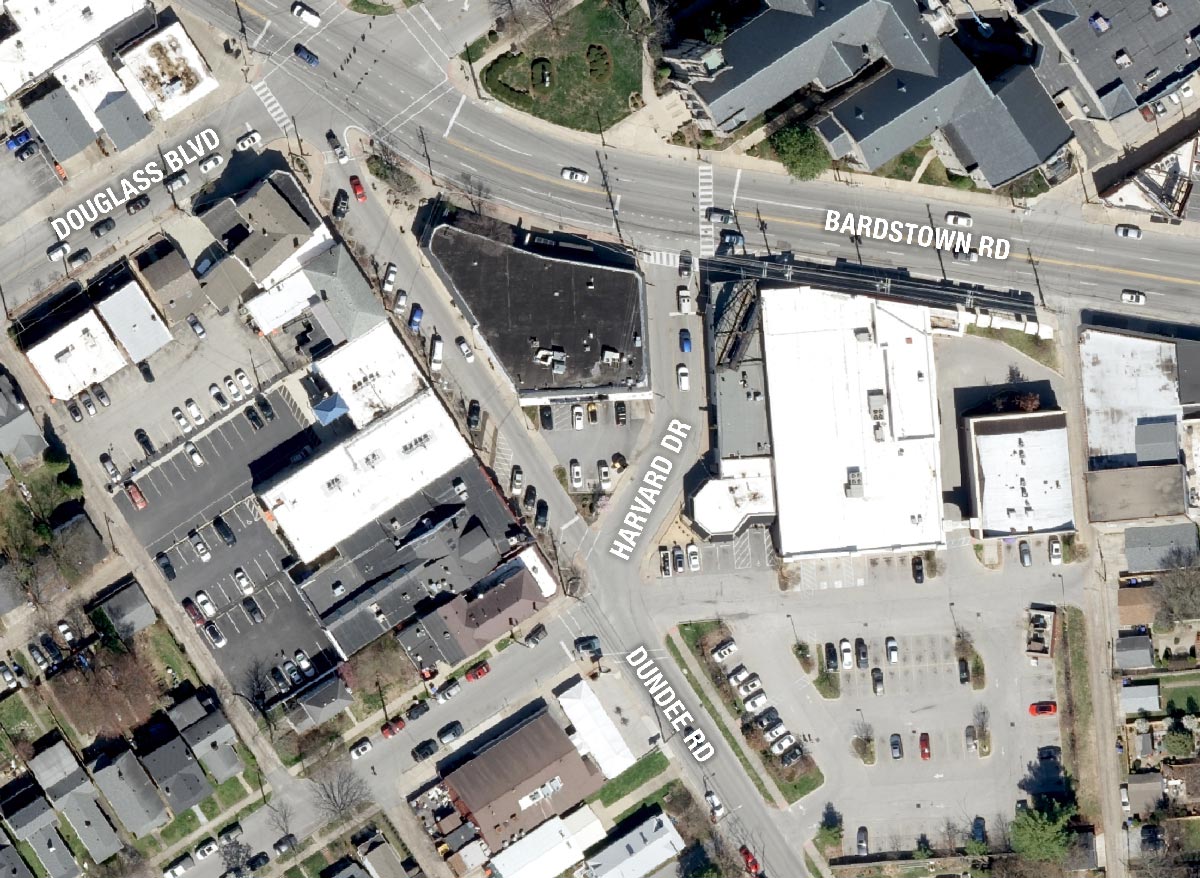
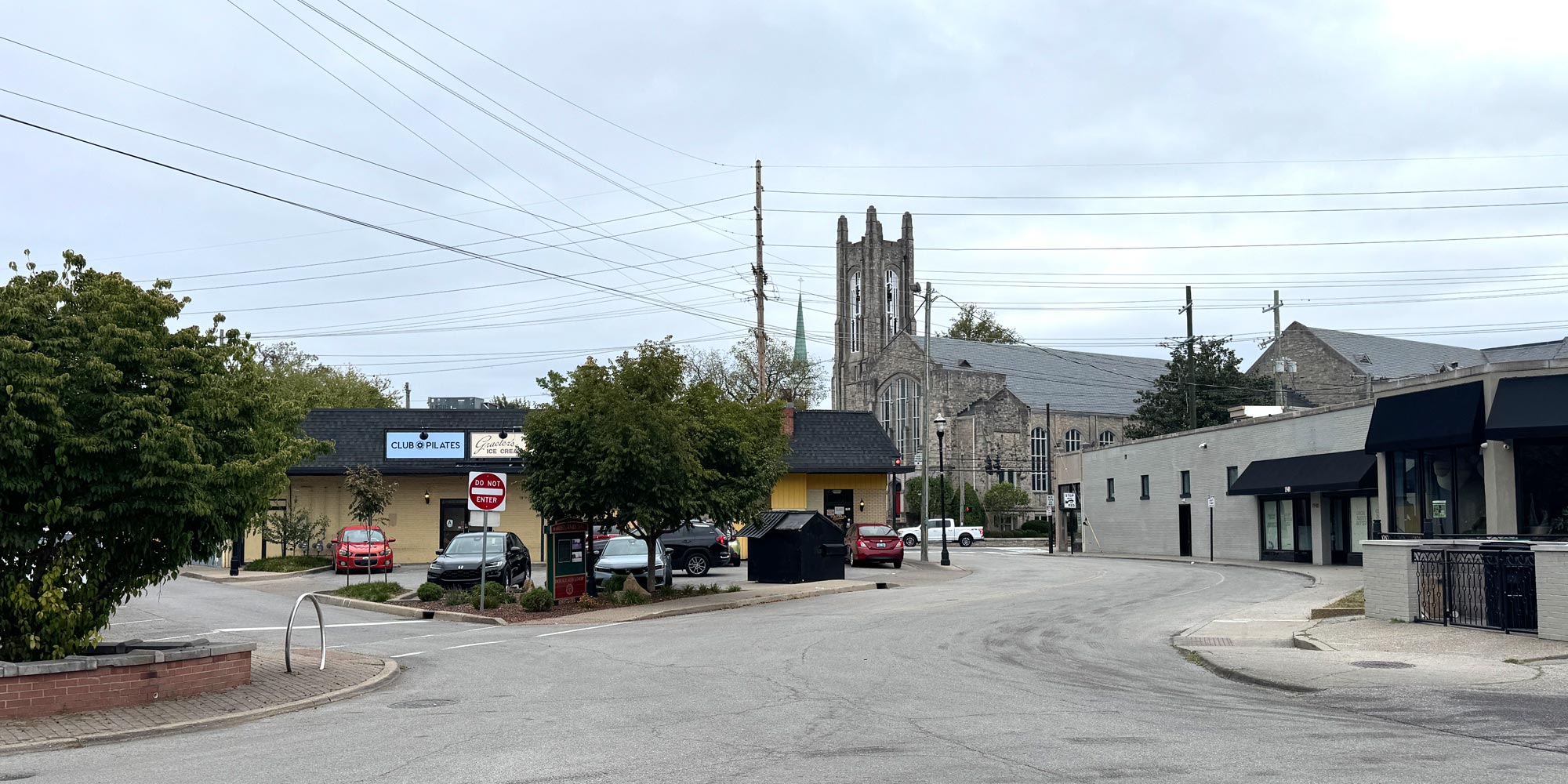
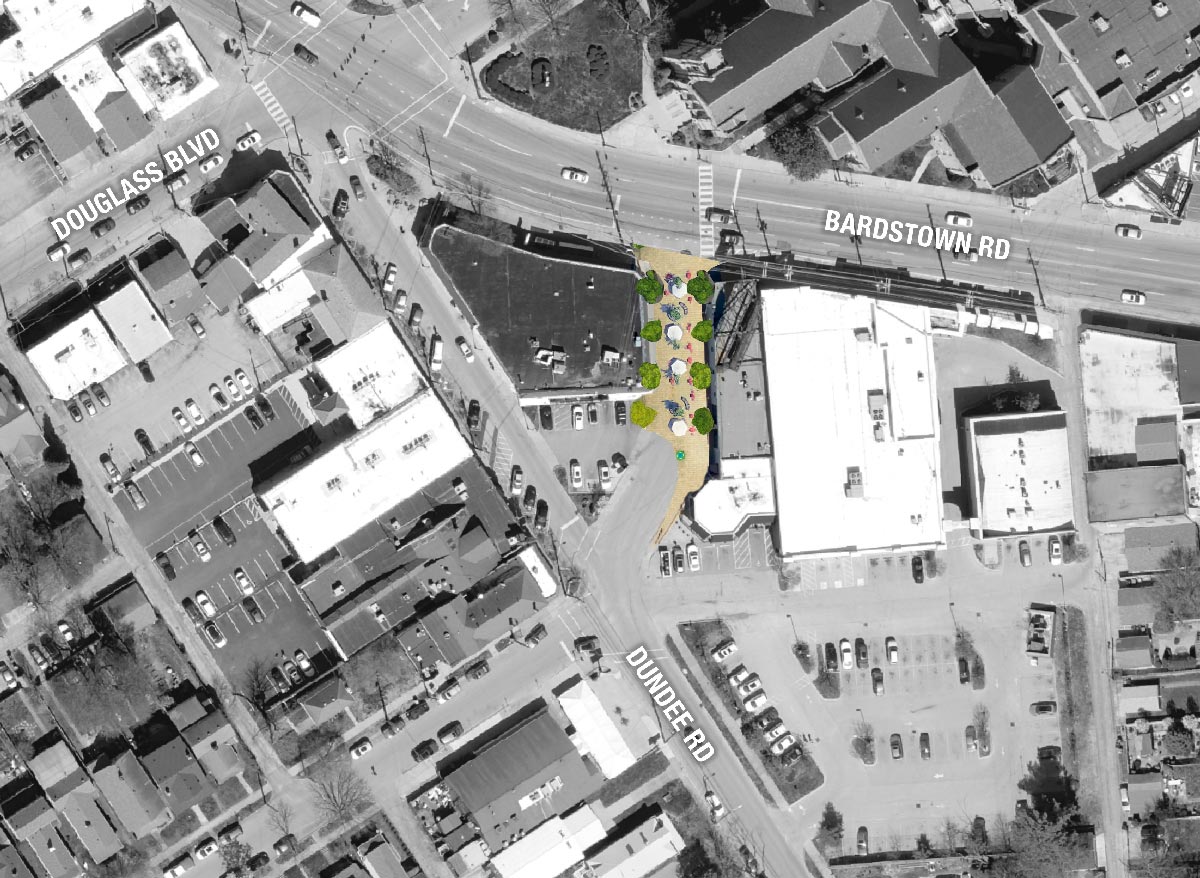
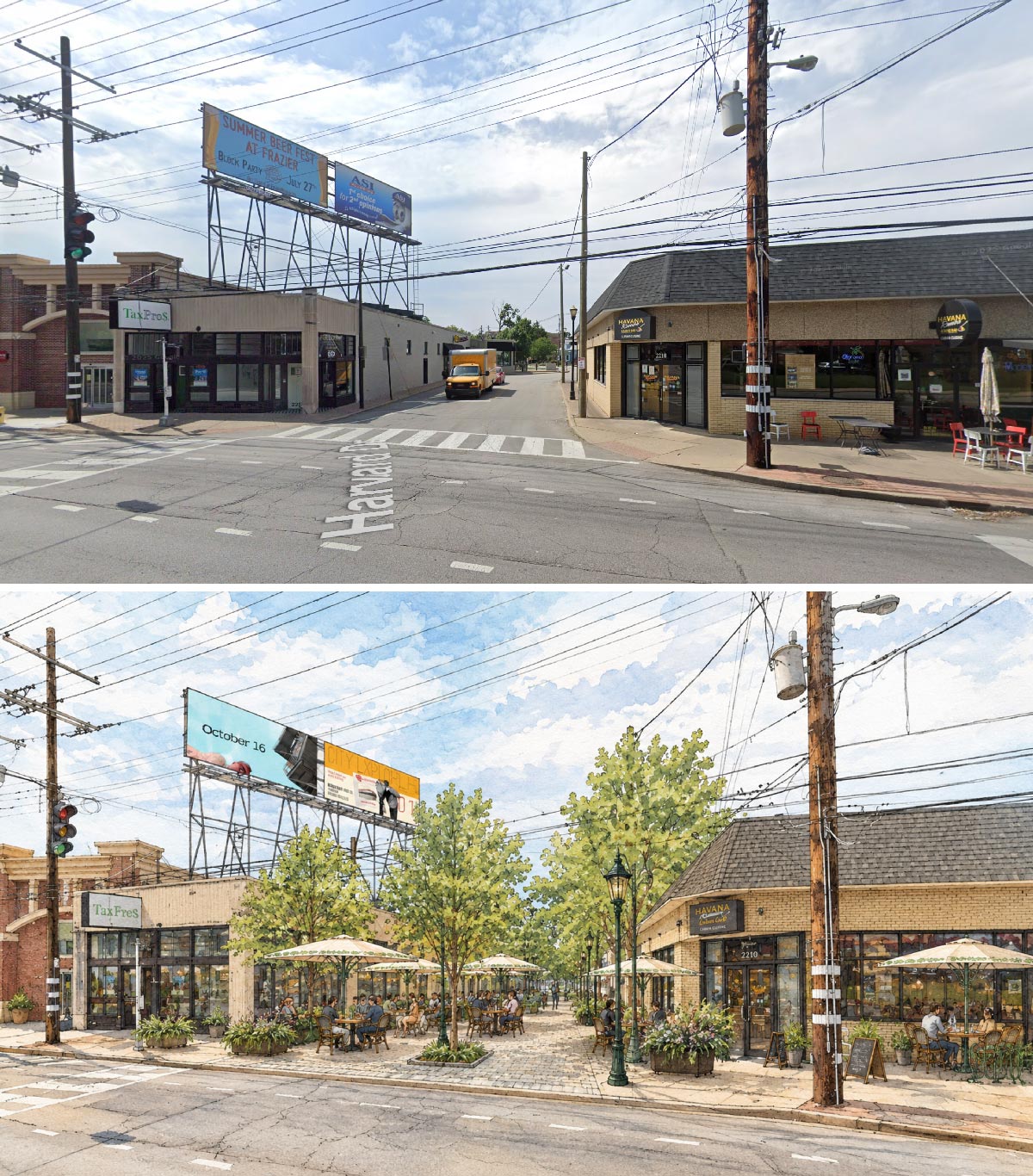
One version of the plaza concept would only require closing a short segment of Harvard Drive, from Bardstown Road to the small parking lot behind Havana Rumba. This single move would eliminate the turning conflict near the proposed roundabout, while still allowing vehicle access for deliveries and the existing 8-car private lot. From there, the transformation could be dramatic: shade trees, cafe tables, brick or cobblestone paving in place of asphalt, and even the historic streetcar rails uncovered if they still lie beneath the surface. What is now little more than a car gutter at an important commercial node could become the kind of pedestrian plaza and outdoor cafe area that draws people to some of the great walkable cities.
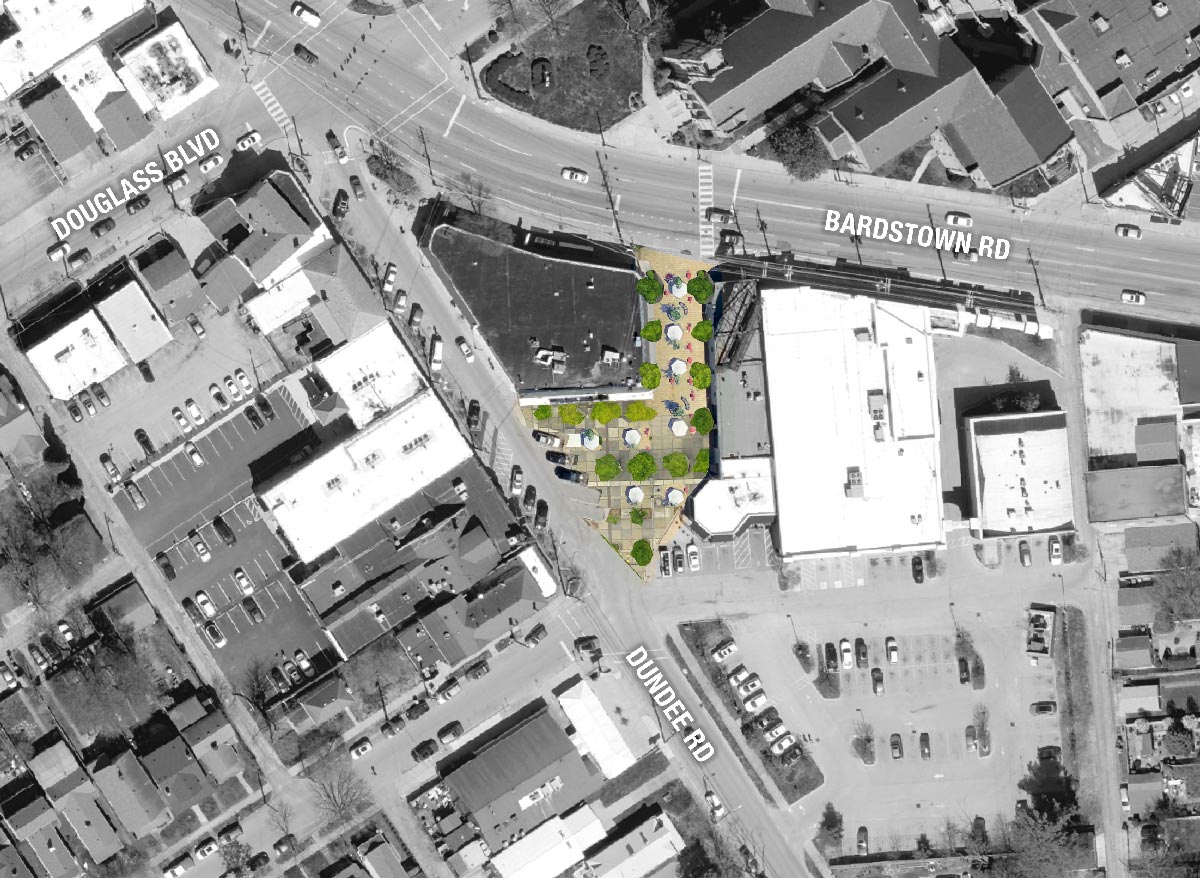
A more expansive, though probably less realistic, pedestrian plaza concept might include taking the currently car-dominated space, including the automobile and dumpster parking, all the way to the intersection with Dundee Road. Such a project would add additional room for more seating and shade structures to be enjoyed by nearby restaurant patrons, civic spaces for talks and meetings, and places for small markets or vendors.
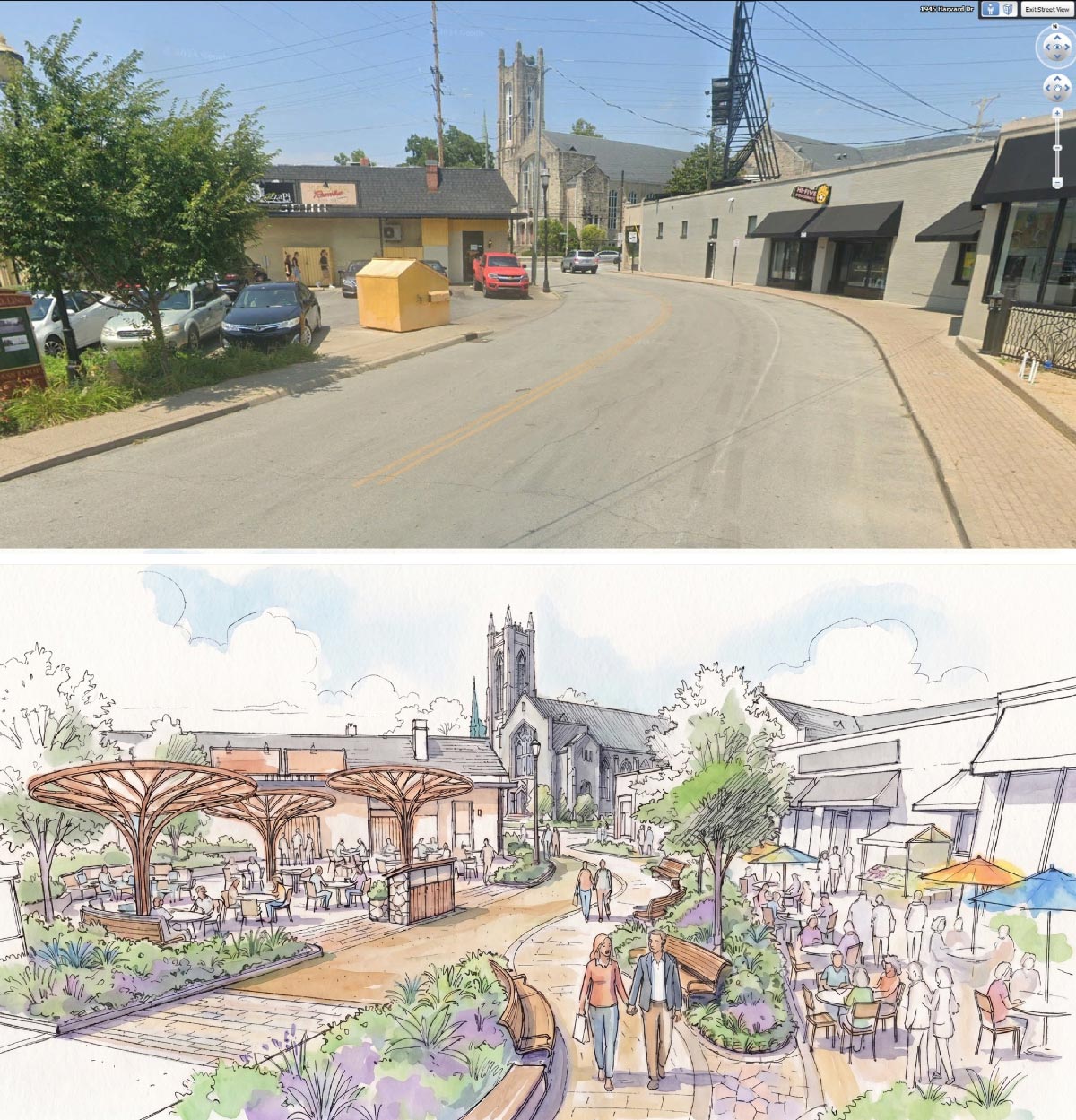
Either concept would be a game changer for major community events including the long-running Belkap Fall Festival, an annual two-day neighborhood celebration held every October at the Douglass Loop. A dedicated plaza would provide a permanent, purpose-built venue for the festival to shine even brighter as a civic asset.
Before anything was made permanent, we could easily test this vision through temporary, tactical closures of Harvard Drive. Using movable planters, paint, and temporary seating, the community could experience the plaza firsthand while gathering real-world data on how traffic might be diverted. Ultimately, realizing a permanent, high-quality public space will require cooperation between the state transportation officials at KYTC—who manage Bardstown Road—and Louisville Metro government, which controls Harvard Drive. Given the momentum behind KYTC’s roundabout proposal, and making it a success, this kind of collaboration should be starting sooner rather than later.


.png)